She’s a wife, a mom of three, and the kind of woman who runs a household without missing a beat. She’s also spent more than two decades fighting something most people around her never knew about.
Today, at 53, she’s healthy, confident, and “fully healed,” in her words. She agreed to share her story with us for one reason: “I hope it helps somebody. One’s better than none.”
"It was relentless"
It started in her 20s with an abnormal Pap smear. Then another. Over the next several years, she went through one procedure after another to remove precancerous cells: cryosurgery, LEEP, laser therapy, and surgical excisions. Some happened in between having her children.
“One would be a normal Pap, then another would be abnormal,” she said. “I just felt like it was relentless.”
The hardest part? She never felt a thing. There was no pain, no warning sign, nothing that told her something was wrong.
“It’s kind of like a silent predator,” she said. “You don’t know.”
She also remembers going about a year and a half without a Pap smear in her 20s, and that’s when doctors found more serious changes. “You’re in your 20s. You don’t think about those things. You’re just doing your life,” she said. “I regretted not going for that long.”
In 2012, two years after her son was born, she and her gynecologist decided on a partial hysterectomy. The hope was that it would end the cycle for good. Her doctor told her there was a small chance precancerous cells could return in the vaginal tissue, but it was unlikely. For several years, her Paps came back normal.
When it Came Back
Then, in 2018, she was told abnormal cells had returned.
“I thought, you’ve got to be kidding. I thought we took care of this,” she said. “Emotionally, it was very difficult for me.”
She was about 45. Another surgical excision followed, then close monitoring, then a topical treatment that’s more often used on the skin. After about 10 weeks, the treatment left her tissue raw, painful, and bleeding, with an open ulcer along the vaginal wall. And two areas were still abnormal.
Her doctor at the time told her the next step was a partial vaginectomy.
“When you hear that, that’s devastating,” she said. “There’s no uterus. So now what?”
Through every appointment, her husband was by her side. “He’s held my hand and been a sole supporter in all of this,” she said.
A Second Opinion Changed Everything
With encouragement from her primary care provider, she sought a second opinion from a gynecologic oncology team at UF Health Shands. After the wait, a team of six or seven specialists walked into the room together with a plan.
“They said, we think we can help you,” she remembered. “I think that was the best news I had gotten during this whole journey.”
She had extensive surgery and spent about three weeks on bed rest. The ulcer healed. But one hard-to-reach area remained a concern and her surgeon asked if she’d heard of MonaLisa Touch®. She hadn’t.
He explained that the laser therapy is used to help restore vaginal tissue, including for women in menopause, breast cancer survivors, and women who have pain with intimacy. “A lot of times the mental goes with the physical,” she recalled him saying.
“So, I said, well, why not?”
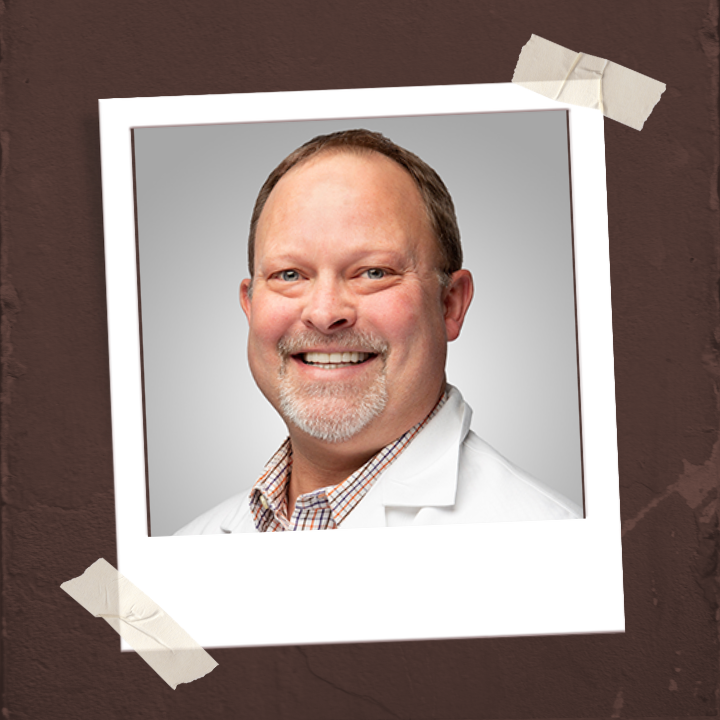
She started looking for a provider close to home and found Dr. Clements at North Florida Women’s Care.
Starting MonaLisa Touch
At her first consult in 2019, Dr. Clements reviewed her history and was honest with her: her tissue had been through a lot and results would take time. She had her first session that November.
With each treatment, spaced every few months, she noticed a little more improvement. Less bleeding. Less pain with intimacy. Around her fourth or fifth session, Dr. Clements told her that her tissue looked really good.
“My mental, my physical, I could just breathe a sigh of relief for the first time in I don’t even know how many years,” she said.
What a Session is Actually Like
If you’re nervous about MonaLisa Touch, here’s how she describes it from the patient’s side:
- You’re made comfortable first. The nurse checks in on how you’re feeling and any changes before anything starts. “It’s all about you. It’s a safe environment.”
- Numbing cream is applied ahead of time. It’s mainly for external areas and takes about 15 minutes to work.
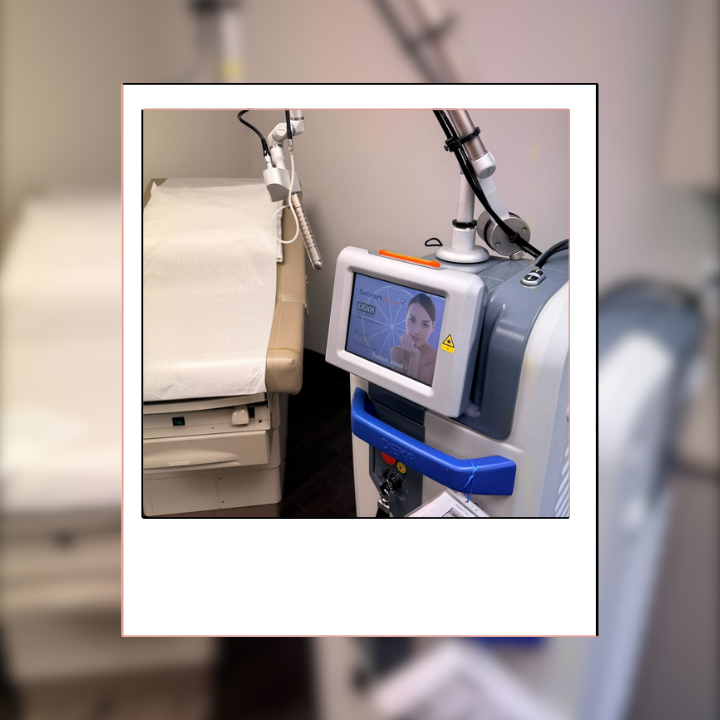
- The device isn’t intimidating. She compares the wand to an internal ultrasound probe, “but way smaller.” You may feel some pressure and hear soft beeping. You’ll wear protective glasses.
- You’re talked through every step. “Even though you’ve been through it a million times,” the nurse still explains each step and reminds you to speak up if you need a pause.
- Recovery is simple. You leave with a cold pack and clear aftercare instructions, plus a number to call with questions. Expect to skip intense exercise, swimming, and baths for a couple of days and wait about a week before intimacy, or as your provider advises.
“It wasn’t anything major or scary that I wouldn’t go back to,” she said.
Where She is Today
Intimacy with her husband has “turned 360 to the better.” And while the worry hasn’t fully disappeared, it no longer runs her life.
“I’m not holding my breath as much,” she said. “Until I get the result, then I can go, okay. I’m good.”
She also appreciates Dr. Clements’ approach: direct, honest, and caring. “He treats you like a person, not just a patient,” she said. “I’ll go in there and I’m 100% myself.”
Her Advice to Other Women
When we asked what she’d say to someone going through something similar, she didn’t hesitate.
Don’t skip your screenings. “You’re not going to have symptoms. You’re not going to know,” she said. “It’s all about preventative care.”
Find the right specialist and get a second opinion. “Always get a second opinion, no matter if you love their personality,” she said. “Had I not done that, I wouldn’t be fully myself at this point.”
Look at expertise first. She knows some women prefer a female provider and that’s okay. But she encourages women to consider a provider’s specialty and experience too.
Put yourself first. “You’ve only got one you,” she said. “Whether it’s just you, or you and a husband, or you with kids, you always need to take care of you.”
Talk about it. She believes the more women share their experiences openly; the more options and access will grow. “Things like this, what we’re doing right now, are super important. For women to share their stories.”
Her only regret? Not knowing sooner. “I think psychologically I could have saved myself from a lot of this had I known about MonaLisa earlier,” she said. “But I’m thankful that I found out about it.”
Is MonaLisa Touch Right For You?
MonaLisa Touch is offered at North Florida Women’s Care in Tallahassee. If you’re dealing with vaginal dryness, discomfort, or pain with intimacy, whether from menopause, cancer treatment, or another cause, we’re here to talk it through. Every patient’s history is different, and your provider will help you decide if it’s a good fit.
Learn more about MonaLisa Touch or request an appointment with a provider (Dr. Clements, Dr. Franz, Dr. Friall, Dr. McKinnie, and Dr. Sundstrom) at North Florida Women’s Care.
This patient shared her story voluntarily. Her experience is her own, and individual results vary. Talk with your provider about your health history and treatment options.