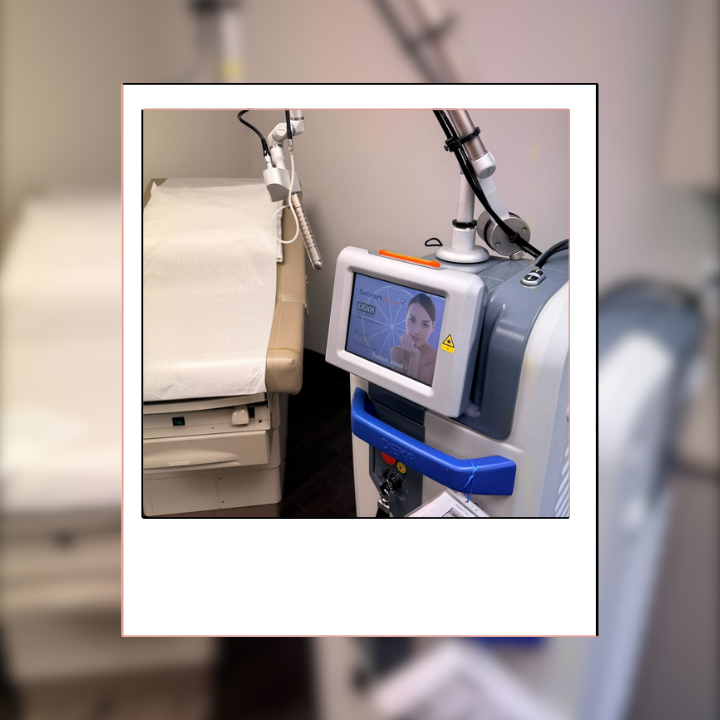

If you’ve ever gripped the exam table a little tighter during an in-office GYN procedure you’re not alone. In fact, fear of pain is one of the most common reasons women delay or avoid necessary gynecologic care. Plus, for too long, “just relax” or “it’ll only take a minute” was the best answer many patients ever received.
That changes here.
North Florida Women’s Care is now offering Pronox. It’s a patient-controlled nitrous oxide system to help manage discomfort and anxiety during in-office procedures. This is a meaningful step forward in how we care for you and it’s backed by a growing body of clinical guidance that says your comfort deserves to be taken seriously.
Why This Matters - Straight from ACOG
In May 2025, the American College of Obstetricians and Gynecologists (ACOG) released long-awaited Clinical Consensus No. 9: Pain Management for In-Office Uterine and Cervical Procedures.
The message was clear and direct:
“There is an urgent need for health care professionals to have a better understanding of pain-management options and to not underestimate the pain experienced by patients — and for patients to have more autonomy over pain-control options during in-office procedures.”
ACOG acknowledged something patients have known for years: procedures like IUD insertion, endometrial biopsy, colposcopy, and cervical biopsy are frequently performed without what they said was adequate pain control. They say the clinician’s underestimation of pain has contributed to inconsistent practices.
The consensus doesn’t stop there. It explicitly names systemic bias as a contributing factor. It also recognizes that specific populations, including adolescents and those with a history of chronic pelvic pain, sexual violence or abuse, and other pain conditions may have increased pain sensitivity or altered responses to pain medications.
Why These Procedures Deserve Better Pain Management
Part of what makes ACOG’s guidance so significant is how procedure-specific it is. For years, patients were told that discomfort during IUD placement, biopsies, and similar procedures were normal. Now, the clinical reality is more nuanced and more validating of what patients have been reporting.
For IUD insertion, while local anesthetics like lidocaine spray or paracervical block can reduce pain at the cervix, common approaches like preprocedural NSAIDs don’t reliably reduce pain at the time of insertion, but they could help with discomfort afterward.
For endometrial biopsy, topical anesthetics and anti-inflammatories offer some patients relief, but the evidence is mixed, leaving many without adequate options in traditional office settings.
ACOG also addressed the old-school strategies many patients have been offered: distraction techniques like forced coughing, music, or verbal reassurance are inadequate for pain control and should not be the only option offered to patients.
What Exactly Is Pro-Nox?
- IUD placement or removal
- Colposcopy
- Endometrial biopsy
- Cervical biopsy
- Hysteroscopy
- And other in-office procedures (just ask your provider)
What the Research Says
The evidence behind nitrous oxide in gynecology is growing rapidly.
At the ACOG 2026 Annual Clinical and Scientific Meeting, researchers presented findings showing that offering in-office nitrous oxide for endometrial sampling procedures was associated with a meaningful reduction in the number of procedures being moved to the operating room. In other words: when patients have better access to comfort options, they’re more willing to complete necessary care in a clinic setting where it’s faster, more accessible, and less costly.
Pronox Is Part of a Broader Commitment to Your Comfort
Ready to Breathe Easy?
Your comfort has always been our priority and now we have one more way to show it. The standard of care is shifting and we’re committed to being ahead of it, not behind it. Ask your NFLWC provider about Pronox at your next visit, or mention it when you schedule your appointment.
Source:
- American College of Obstetricians and Gynecologists. Pain management for in-office uterine and cervical procedures. ACOG Clinical Consensus No. 9. Published May 2025.
- American College of Obstetricians and Gynecologists. ACOG releases new recommendations on pain management for IUD insertions, other in-office gynecologic procedures [news release]. May 15, 2025.
- Offering nitrous oxide for in-office ob/gyn procedures linked to fewer OR-based procedures. Medscape Medical News. Presented at: American College of Obstetricians and Gynecologists Annual Clinical and Scientific Meeting; May 1–3, 2026; Washington, DC.
- Nitrous oxide use for intrauterine system placement in adolescents. Corewell Health Scholarly Works. https://scholarlyworks.corewellhealth.org/obgyn_articles/64
Reviewed by the clinical team at North Florida Women’s Care to ensure accuracy and alignment with current medical guidelines.