
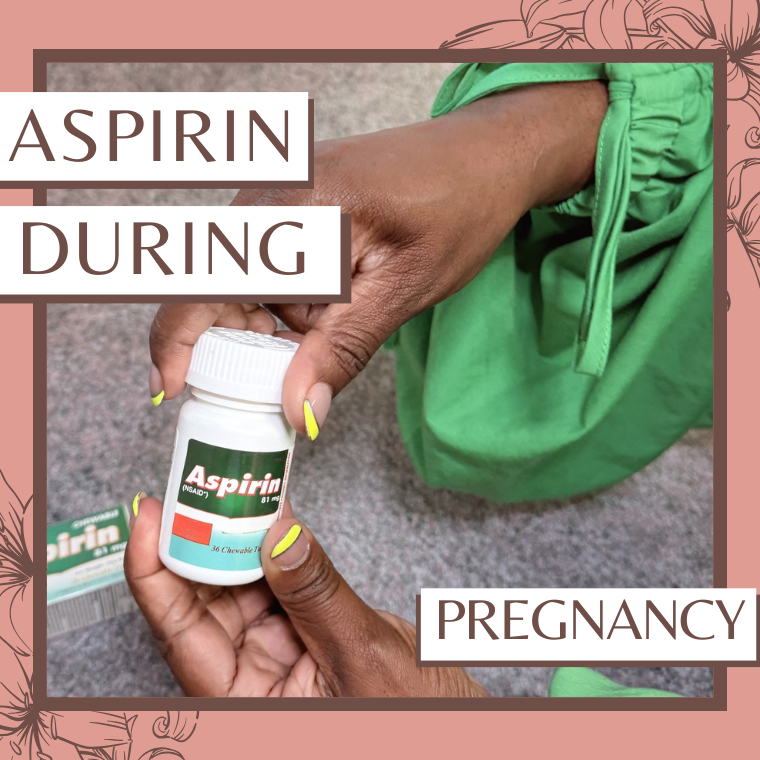
Let’s talk about why.
First: What Is Preeclampsia and Why Does It Matter?
Preeclampsia is a pregnancy complication characterized by high blood pressure and signs of organ damage most often affecting the kidneys and liver. It typically develops after 20 weeks of pregnancy and can progress rapidly, sometimes with little warning.
In the US, the rate of preeclampsia increased by 25% between 1987 and 2004 and women giving birth in 2003 were at an increased risk of severe preeclampsia compared to women giving birth in 1980. ACOG says on a global perspective ten million women develop preeclampsia each year and approximately 76,000 pregnant women die annually from preeclampsia and related hypertensive disorders.
So How Does a Tiny Aspirin Actually Help?
Here’s where it gets genuinely interesting. Aspirin works differently at different doses and that difference is everything.
ACOG says at low doses (81 mg or sometimes 162 mg), aspirin irreversibly inhibits a specific enzyme called COX-1, which decreases platelet synthesis of something called thromboxane A2, without affecting the vascular wall’s production of prostacyclin. Thromboxane A2 causes blood vessels to constrict and promotes clotting. Prostacyclin does the opposite. It keeps blood vessels open and relaxed. In women who develop preeclampsia, research has found that this balance tips in the wrong direction, with too much thromboxane and not enough prostacyclin. The result is the hallmark feature of preeclampsia: dangerously high blood pressure and impaired blood flow to the placenta.
It’s a precise biochemical intervention hiding inside a small orange tablet most people associate with headache relief.
What ACOG Says: The Official Recommendation
The American College of Obstetricians and Gynecologists (ACOG) the leading authority on women’s health in the US has clear, evidence-based guidance on this topic. Low-dose aspirin at 81mg per day is recommended for women at high risk of preeclampsia and should be initiated between 12 weeks and 28 weeks of gestation and continued daily until delivery. Although, sometimes 162 mg could be prescribed for very high risk pregnant women. Timing, it turns out, is everything. A review of 45 randomized trials including over 20,000 pregnant women found significant evidence of prevention of preeclampsia, severe preeclampsia, and fetal growth restriction when low-dose aspirin was initiated before 16 weeks’ gestation. There’s one more detail that surprises most patients: research shows aspirin is most effective when taken at bedtime, compared to morning, afternoon, or evening.
Who Needs It? Know Your Risk Factors
- Prior history of preeclampsia, especially with a poor outcome
- Carrying multiples (twins, triplets, etc.)
- Chronic high blood pressure
- Type 1 or Type 2 diabetes
- Kidney disease
- Autoimmune conditions such as lupus or antiphospholipid syndrome
Moderate-risk factors, if you have more than one of these, aspirin prophylaxis should be considered: first pregnancy, maternal age of 35 or older, a BMI greater than 30, family history of preeclampsia, and certain sociodemographic and personal history factors.
Is It Safe for My Baby?
This is usually the first follow-up question and the answer is reassuring. At the 81mg dose, low-dose aspirin has been studied extensively in pregnancy and has a well-established safety profile at this dosage for both mother and baby. The U.S. Preventive Services Task Force (USPSTF) specifically reviewed potential harms as part of its recommendation process and found the benefit-to-risk profile strongly favorable for women who meet the criteria.
What This Means for Your Care at North Florida Women's Care
At your first prenatal visit, we review your full medical and obstetric history specifically to identify whether low-dose aspirin is right for you. It is not a one-size-fits-all recommendation. It is a personalized clinical decision based on your individual risk profile, made in partnership with you.
If aspirin is recommended, we’ll walk you through exactly when to start, how to take it, and what to watch for. If it isn’t indicated for your pregnancy, we’ll explain why and discuss what other steps we are taking to monitor your blood pressure and watch for early warning signs throughout your pregnancy.
The goal is always the same: to get you and your baby safely to the other side of a healthy pregnancy. Sometimes that means a simple daily tablet is one of the most important things you can do.
If you have questions about your preeclampsia risk or low-dose aspirin, bring them to your next visit. We are always here to talk it through with you.
Sources:
American College of Obstetricians and Gynecologists (ACOG) & Society for Maternal-Fetal Medicine (SMFM). Low-Dose Aspirin Use for the Prevention of Preeclampsia and Related Morbidity and Mortality. Practice Advisory, December 2021. https://www.acog.org/clinical/clinical-guidance/practice-advisory/articles/2021/12/low-dose-aspirin-use-for-the-prevention-of-preeclampsia-and-related-morbidity-and-mortality
Reviewed by the clinical team at North Florida Women’s Care to ensure accuracy and alignment with current medical guidelines.

